
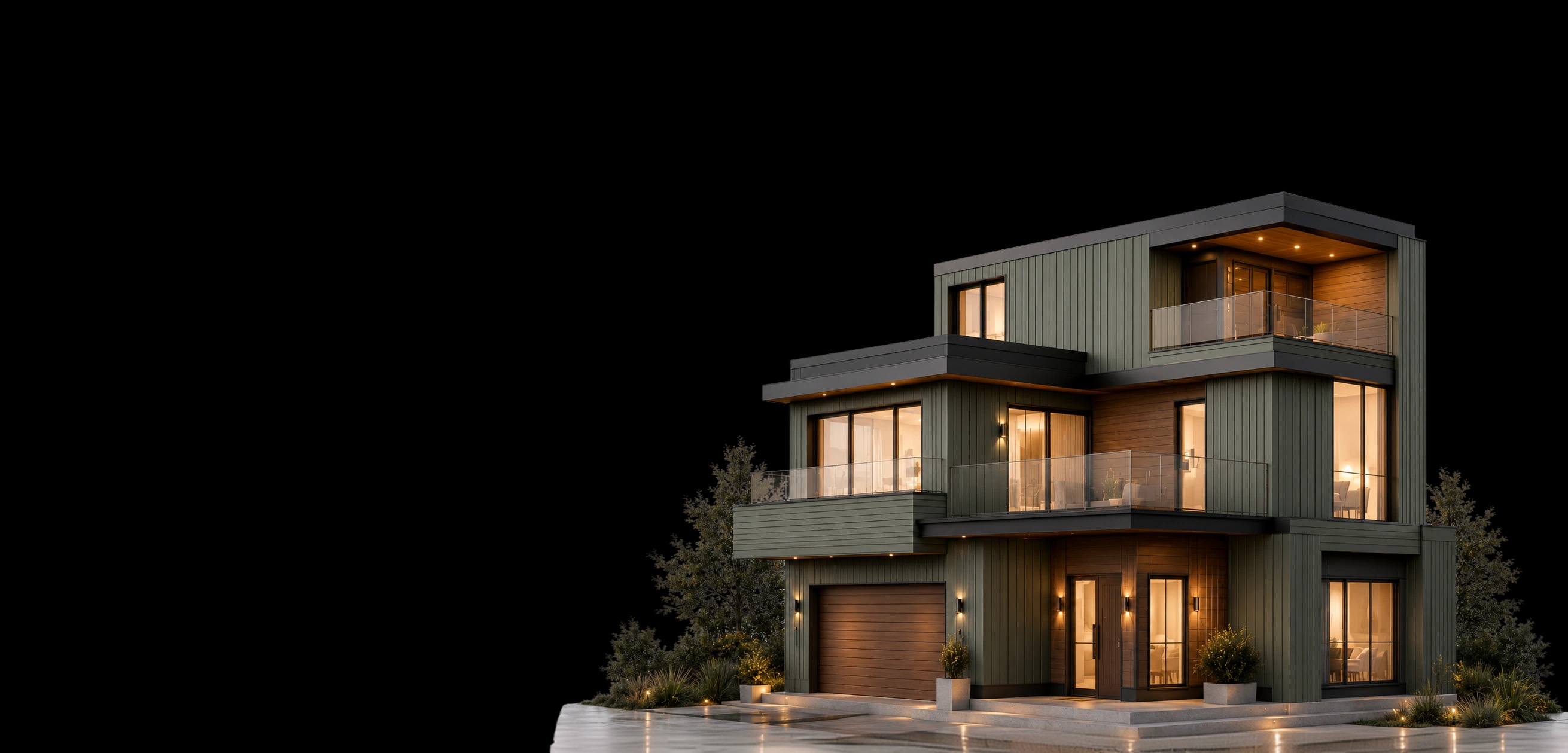
looks like wood, installs like vinyl, more durable than fiber-cement
Koda Siding is a high-performance fiberglass siding system that is designed to be historically accurate, incredibly durable, pre-painted and easy to install.
Why Choose Koda Siding?
Factory Finish in Any Color
Every piece of siding is finished in our factory, not on your jobsite. Our automated vacuum coating line applies the finish while each board lies flat, giving an even coat with no drips or thin spots. The baked-on coating meets AAMA 625 for color and gloss retention, and it tests at 8H pencil hardness, so it resists scratches during shipping, installation and for years after. Pick a stock color or match any color you want. And because there’s no field painting, there are no weather delays, no dirty surfaces under the paint, no runs, and no bugs stuck in wet paint.

water always wins and sealants always fail
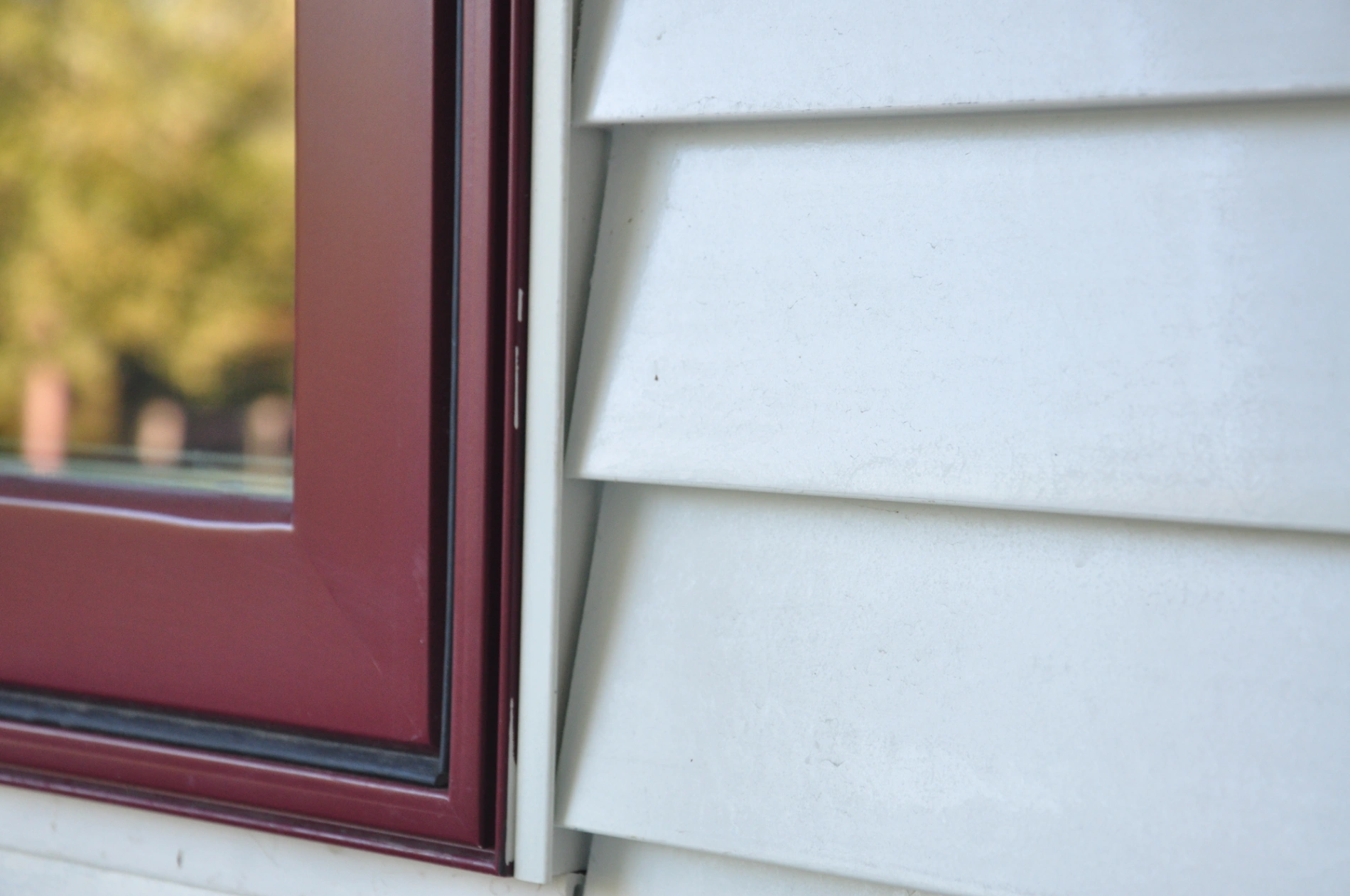
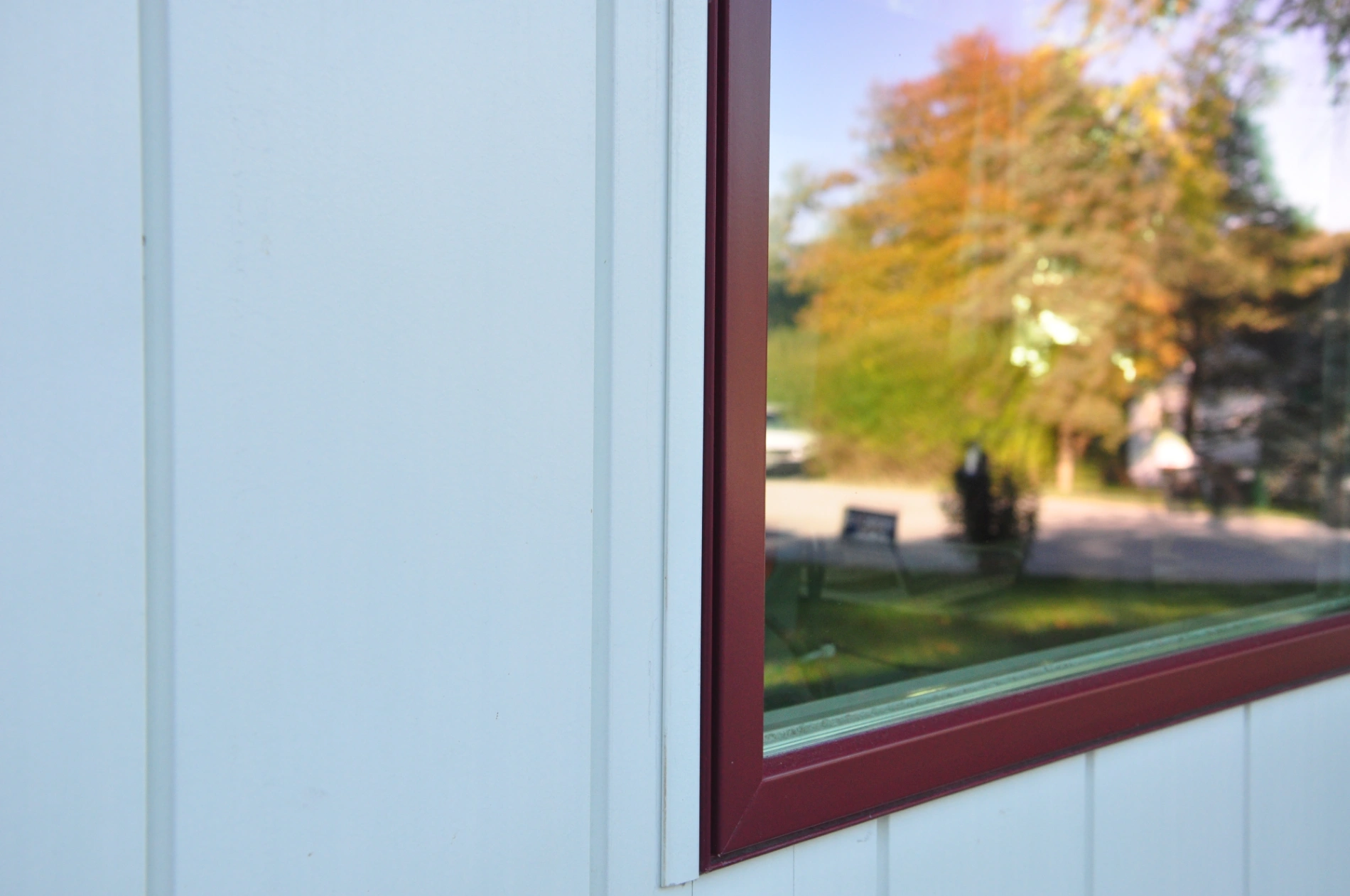
No matter how well you seal a wall, water finds a way in. Koda Siding doesn’t fight it; it gets it out. A built-in rainscreen gap lets any water that gets behind the siding drain freely, so there are no caulked joints to crack, shrink, paint or maintain. Matching brickmould, trim, and J-channel cover every cut edge for a clean, finished look.
Hail & Fire Resistant
The siding can withstand large size hail and achieves a 5B flame spread rating.
Rot-Proof From the Ground Up
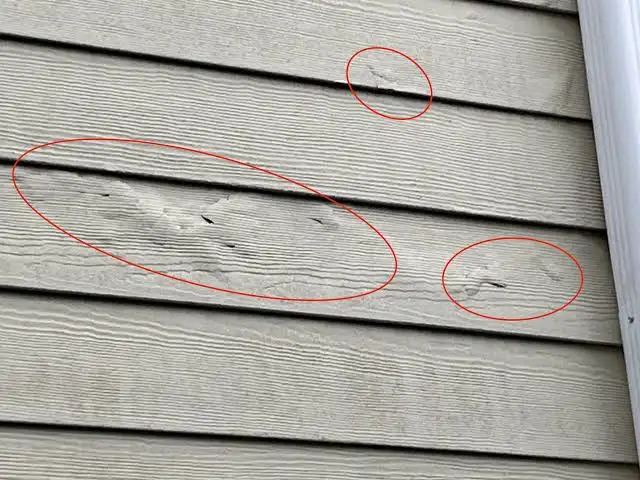
Koda Siding is made from pultruded fiberglass, the same composite material used to build boat hulls. Unlike fiber cement and OSB-based siding, it absorbs virtually no water, so it can’t swell, soften, or rot. That makes it ideal for the toughest spots on a house: near grade, at foundation transitions, and anywhere snow, splashback, or sprinklers keep the bottom course wet. It will never rot, and it never needs to be sealed or repainted; it’s a lifetime of maintenance-free siding.
Built to Stay on the Wall
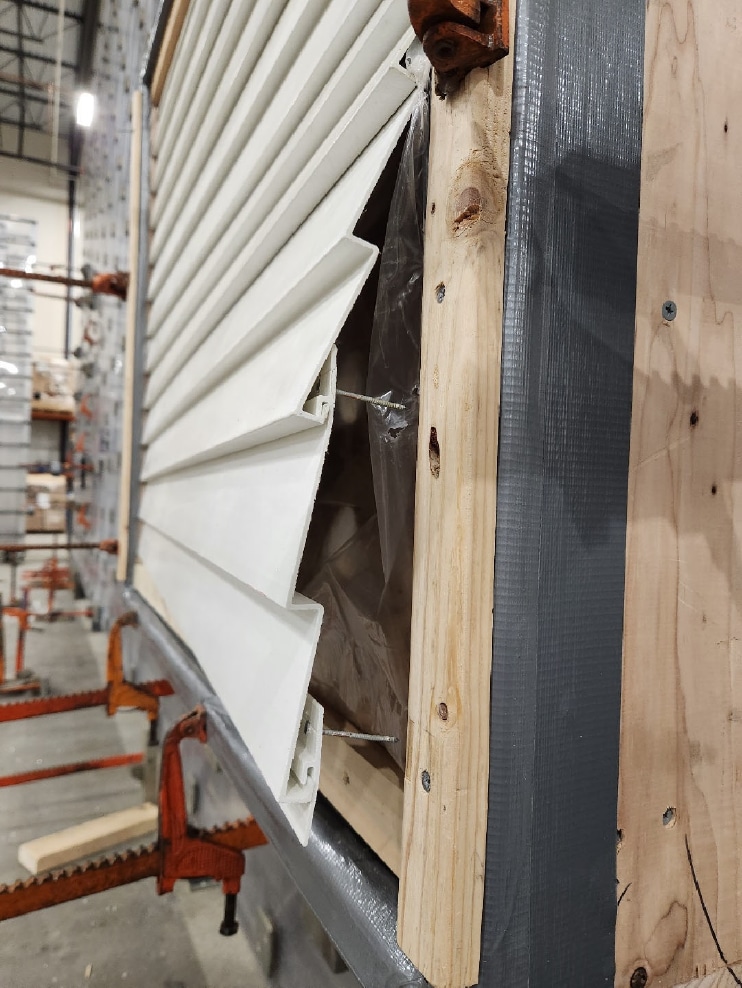
Koda Siding was tested for wind load resistance by an independent laboratory under ASTM D5206, the standard for rigid plastic siding. Installed with ordinary nails into studs at 16 inches on center, the wall held an average of 141.7 pounds per square foot of suction pressure, and every specimen held at least 130 psf. The siding itself never failed. In every test, the panels stayed intact and locked together; the only thing that gave way was the nails pulling out of the wood framing.
Tight Seams That Stay Tight
Fiberglass barely reacts to temperature and doesn’t absorb moisture, so Koda boards don’t swell, shrink, or acclimate after installation. A 16-foot board moves less than 1/16 inch across a 100-degree swing. Seams that are tight on installation day stay tight through summer heat and winter cold, with no buckling, no opening gaps, and no caulk needed to hide them.
The Look of Real Wood Siding
Every Koda profile follows the shape of the traditional wood siding it replaces, so each course casts the same deep, authentic shadow line as real clapboard. The finish is smooth, like painted wood on a historic home, not the stamped wood-grain texture that marks most siding as an imitation. The result looks right on a restoration and on new construction alike.
Profiles
Koda Siding is available in historically accurate horizontal and vertical profiles.
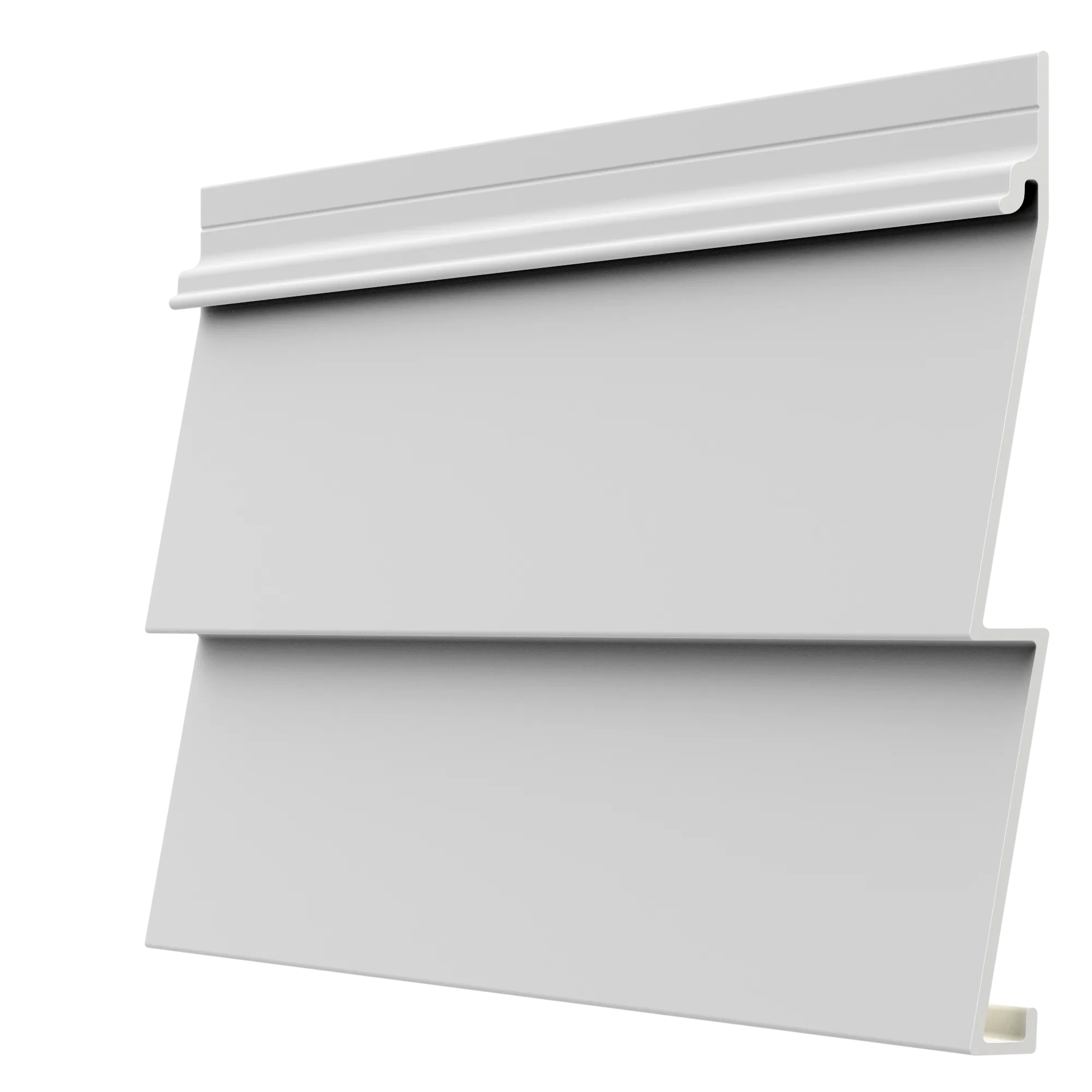
3" Double Lap
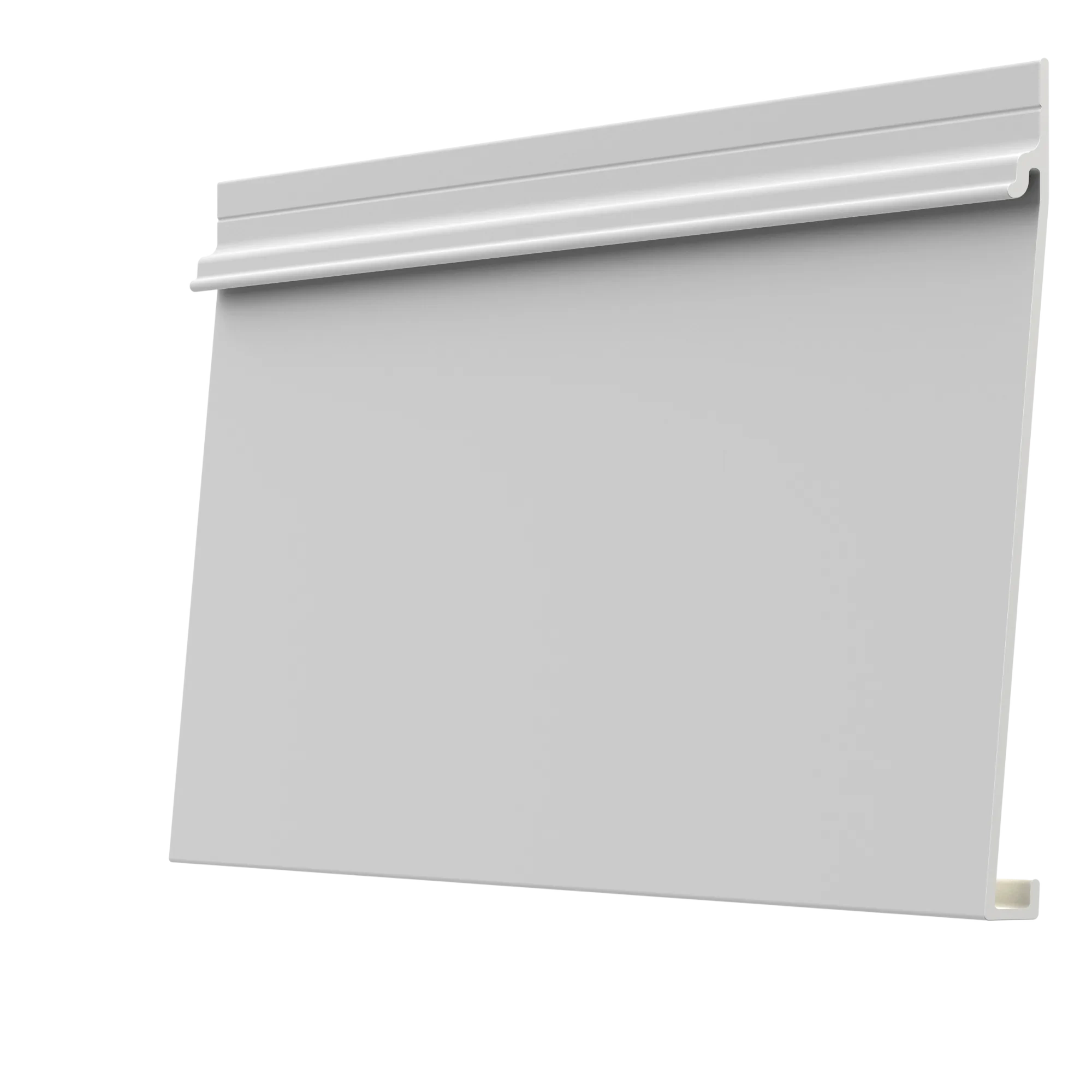
6" Lap
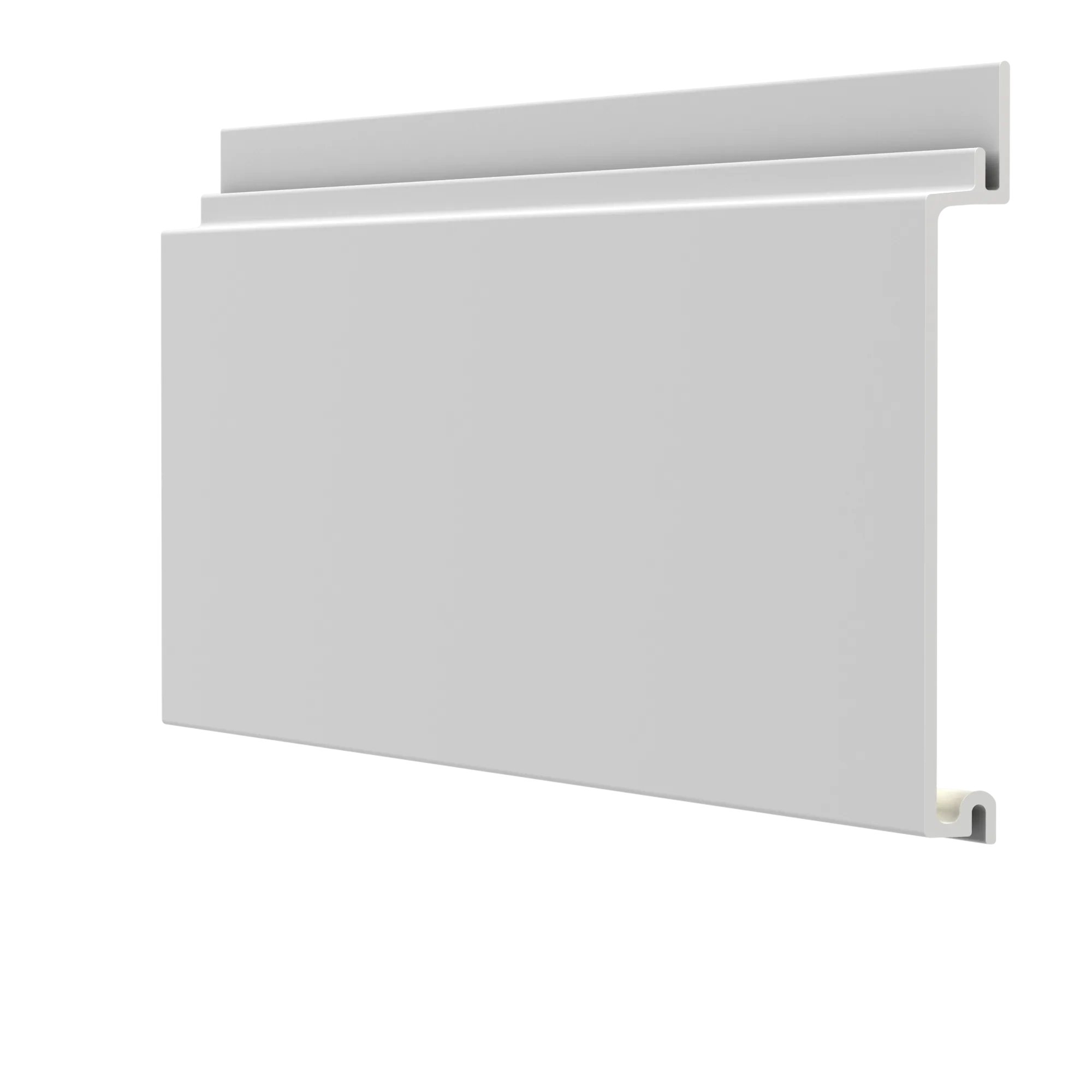
Nickel Gap
4⅝″ reveal
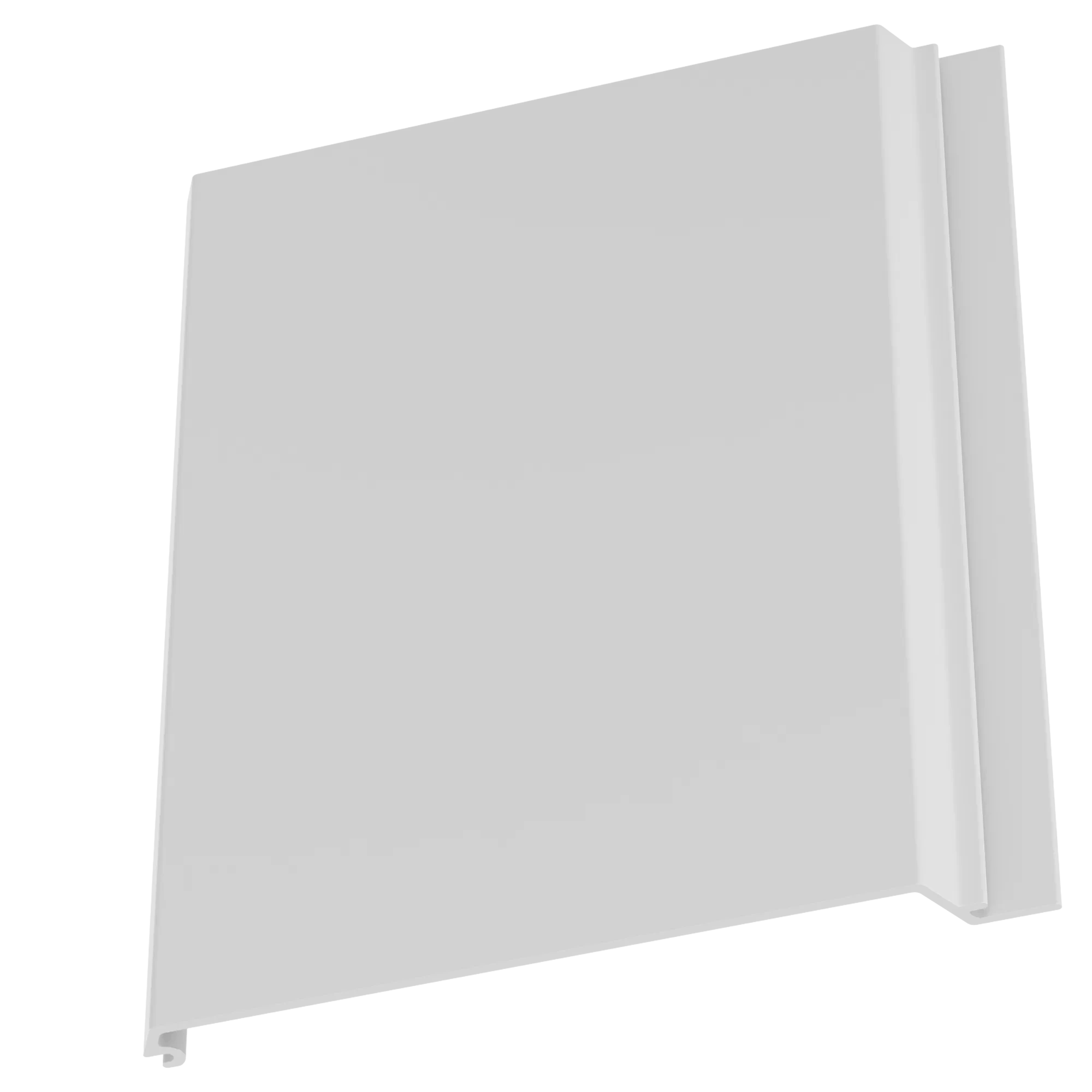
V Groove
Vertical
Installation instructions
Watch horizontal and vertical install guides, then download the full manual.
Horizontal Siding Installation
Vertical Siding Installation
Start your project
Request a Quote
Tell us about your project and we will prepare a proposal for your review.